
HEEL PAIN TREATMENT ALBANY CREEK
Heel pain can come from several different structures around the foot and ankle. Plantar fasciitis is one of the most common causes, but pain can also come from the heel fat pad, Achilles tendon, nerves, bone or other soft tissues around the heel.
At My Family Podiatry in Albany Creek, our first step is working out what is actually causing your heel pain. Treatment can then be based on the structure involved, how long the problem has been present, your footwear, activity levels and the factors contributing to the overload.
Our Albany Creek podiatrists assess and manage heel pain for patients from Strathpine, Warner, Eatons Hill, Aspley, Bridgeman Downs, Bracken Ridge, Carseldine and across North Brisbane assess and treat heel pain with a clear, practical plan.
What Causes Heel Pain?
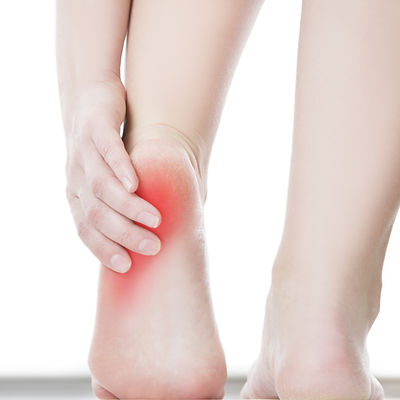
Heel pain is a symptom rather than a diagnosis. Where you feel the pain, when it occurs and what aggravates it can all provide clues about which structure is involved.
Common causes include plantar fasciitis, irritation of the heel fat pad, insertional Achilles tendon pain and overload from changes in walking, standing, exercise or footwear.
Less common causes can include nerve irritation such as Baxter's nerve entrapment, stress reactions of the heel bone and other soft tissue conditions around the back or underside of the heel.
Because these problems can feel similar, an assessment is useful before assuming that every painful heel is plantar fasciitis.
Plantar Fasciitis as a Cause of Heel Pain
Plantar fasciitis commonly causes pain under the heel, particularly with the first few steps after getting out of bed or after sitting for a period of time. The pain may ease once you start moving and return after longer periods of standing or walking.
Plantar fasciitis is only one possible cause of heel pain. If this sounds similar to your symptoms, read our dedicated Plantar Fasciitis Treatment page for more information about assessment, exercises, footwear, orthotics and other treatment options.
Why Is Heel Pain Worse in the Morning?
Pain with the first few steps in the morning is commonly associated with plantar fasciitis, although the pattern of morning pain still needs to be considered alongside the location of your symptoms and your clinical assessment.
Some people find the heel settles after a few minutes of walking, while others notice the pain returning after prolonged standing, walking or exercise.
If morning heel pain is your main symptom, our Plantar Fasciitis page explains this condition in more detail.
Are Heel Spurs the Cause of Heel Pain?
Heel spurs often show up on X-rays, but they are not always the main reason the heel hurts.
Many people have heel spurs without pain, while others have significant heel pain without a large spur. In most cases, the more important question is why the tissues around the heel are irritated or overloaded.
At My Family Podiatry, we focus on treating the cause of the pain rather than just the X-ray finding. This may involve footwear advice, load management, strengthening, orthotics or shockwave therapy depending on what is driving the problem.
What Happens at a Heel Pain Appointment?
Your appointment is designed to work out why the heel is sore and what is most likely to help. We look at your symptoms, how long the pain has been there, what makes it worse, what shoes you wear, and how the foot is functioning.
In some cases, the main issue is load. In others, footwear is playing a larger role. Some people have kept pushing through pain for weeks or months without realising the way they are moving has started to change because of it.
The goal is not just to say you have heel pain. It is to understand which structure is irritated and why it has become overloaded.
Where another condition is suspected, we may discuss whether further imaging or referral is appropriate.
How Do We Treat Heel Pain?
Treatment for heel pain depends on the diagnosis rather than the symptom alone.
Depending on what we find during your assessment, management may include changes to footwear or activity, rehabilitation exercises, strapping, temporary load modification, custom foot orthotics or shockwave therapy where clinically appropriate.
If plantar fasciitis is identified as the cause, we can also guide you through a progressive strengthening program and you can read our dedicated Plantar Fasciitis Exercises guide.
If another structure is involved, the treatment plan may look quite different. The aim is to match treatment to the problem rather than using the same approach for every painful heel.
Why Heel Pain Can Persist or Return
Heel pain can persist when the factors loading the painful structure have not changed.
This may include long periods of standing, unsuitable footwear, a rapid increase in walking or exercise, reduced calf capacity, changes in training load or other biomechanical factors.
Identifying these contributors is part of the assessment so that management can address more than the painful area alone.
Why Choose My Family Podiatry?
At My Family Podiatry, we take a practical, evidence-informed approach to heel pain.
We focus on identifying the structures and contributing factors involved in your heel pain rather than applying the same treatment approach to every patient. That means a proper assessment, clear explanation of what we find, and a treatment plan that fits your day-to-day life.
Our clinic has access to focused and radial EMS Dolorclast shockwave therapy, diagnostic ultrasound, VALD ForceDecks for strength and symmetry testing, custom foot orthotics, and running assessment tools, giving us the ability to look beyond the painful area and consider the bigger picture.
We see patients from Albany Creek, Eatons Hill, Bridgeman Downs, Warner, Strathpine, Aspley and surrounding North Brisbane suburbs for heel pain, plantar fasciitis and related lower limb problems.
FAQS
Is heel pain always plantar fasciitis?
No. Plantar fasciitis is one of the most common causes of heel pain, but it is not the only one. Heel pain can also come from the heel fat pad, Achilles insertion, bursitis, nerve irritation, footwear overload or changes in activity.
This is why assessment matters. The right treatment depends on which structure is irritated and why it has become overloaded.
Why does my heel hurt when I first get out of bed?
Morning heel pain is commonly linked with plantar fasciitis. Overnight, the foot rests in a relaxed position and the plantar fascia can tighten. When you first stand up, the tissue is suddenly loaded again, which can cause sharp pain through the heel or arch.
For some people, the pain eases after a few minutes of walking. For others, it returns later in the day after standing, walking or exercise.
Do heel spurs cause heel pain?
Not always. Heel spurs often show up on X-rays, but they are not always the reason the heel hurts.
Many people have heel spurs without pain, while others have significant heel pain without a large spur. In most cases, the more important question is why the tissues around the heel are irritated or overloaded.
How does My Family Podiatry treat heel pain?
Treatment depends on what is causing the pain and how long it has been present.
At My Family Podiatry, treatment may include footwear advice, load management, rehabilitation exercises, strapping, shockwave therapy, custom foot orthotics, manual therapy or referral for imaging if needed. The aim is to build a plan that matches the cause of the problem rather than using the same treatment for every painful heel.
Do I need orthotics for heel pain?
Not always. Some patients benefit from orthotics, while others improve with footwear changes, strengthening, shockwave therapy or load modification.
Orthotics may be useful when foot mechanics, footwear or load distribution are contributing to the problem. If orthotics are not the right fit for your heel pain, we will say that too.
Can shockwave therapy help heel pain?
Yes, shockwave therapy can be useful for some stubborn cases of plantar fasciitis and heel pain, especially when symptoms have been present for a while and have not responded to basic care.
It is usually most effective when combined with the right overall plan, such as footwear changes, strengthening and load management.
When should I see a podiatrist for heel pain?
You should book an appointment if heel pain is affecting your walking, work, exercise or daily activity, or if it keeps returning despite rest, footwear changes or home treatment.
It is also worth being assessed if the pain is worsening, changing how you walk, or causing pain in other areas such as the arch, ankle, knee or opposite foot.
Can children get heel pain or plantar fasciitis?
Yes. Children and adolescents can develop heel pain, though it is often caused by Sever's disease (calcaneal apophysitis) rather than plantar fasciitis. Sever's typically affects active kids between 8 and 14 years old. We see children with heel pain regularly and assess them with age-appropriate techniques. Plantar fasciitis is less common in children but can occur, particularly in older teenagers who are heavily involved in sport.
Do you treat heel pain for patients from Strathpine?
Yes. My Family Podiatry is located in Albany Creek and regularly sees patients from Strathpine, Bray Park, Lawnton, Brendale and surrounding North Brisbane suburbs for heel pain and plantar fasciitis treatment.
NEED SOME MORE INFORMATION?
Not sure whether a heel pain appointment is right for you?
If you have ongoing heel pain and are unsure what might be causing it, contact our Albany Creek clinic and our team can help you choose the most appropriate appointment.
Podiatrists specialise in injuries and issues with the feet, ankles and legs. If you enter your details into the form, one of our team will contact you to discuss your current problem and how My Family Podiatry may be able to help you.
Alternatively, call us on (07) 3088 6116 to speak with one of our team.